
Tel Aviv, Israel. In times of lockdown, with the coronavirus pandemic bringing competitive sport to a standstill across the globe, the Israel Volleyball Association (IVA) has decided to use social seclusion as an opportunity to deliver a number of online workshops, lectures and courses open to Israeli coaches and players, as well as to Volleyball fans.
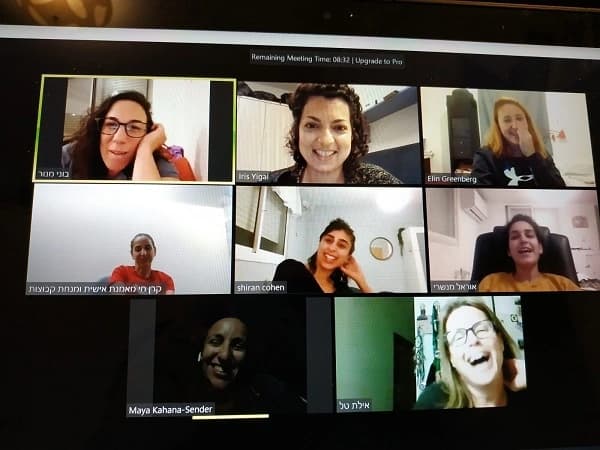
The first two weeks of the online classes, from April 2 to 17, focussed on physical activity, such as Pilates, vinyasa yoga, fitness and HIIT, with Zoom sessions performed by teachers working in collaboration with the IVA, some of them from the staff of the youth and junior national teams.
After that, the Israeli Volleyball community had the opportunity to listen to the voice of some renowned coaches, such as Glenn Hoag, Daniel Castellani, Cesar Hernandez Gonzalez and Jorge Cannestracci, all of them with an impressive resume and list of accolades to their names, while working with elite national teams and clubs across the world.
Most of the people who took part in the lectures were Israeli coaches and players, who wanted to expand their knowledge in subjects such as tactics, coaching, and building a team.
“In these difficult times, when the novel coronavirus is spreading around, no one knows what happens and what will happen next, and we acquire knowledge as we go. What we do know is that in this time we should be tolerant, showing solidarity and thinking about others,” Castellani, a former coach of the national teams of Poland and Finland, said. “We can see this period as rough times, but we can and should see it differently. In my case, while I am far away from the Volleyball courts, I try to use this special time to communicate with many coaches around the world, deepen my professional knowledge and give lecture to others. It is a fantastic time to continue our development, learn and progress,” he continued.

“Right now, we are all worried about the future. What will happen to sports? What will happen to the economy? How will our post-pandemic life look like? What is already clear is that we will not come back to the same reality we used to know from before. Sport is going to be different, budgets are going to change, and travelling to games will alter. A lot is about to change. We need to be ready for these changes, and continue to be passionate and professional in our work, fit ourselves to this changing reality, and understand how we can get out of this situation in a good way,” Castellani added.
“This sort of timeout that surprised the whole world has been disrupting the lives of us all in one way or another. In such a situation, there are two big alternatives: you can seat at home and do nothing or take this time to think and create new content while trying to maintain a normal routine,” says Dan Shiray, who has coordinated the delivery of these workshops together with all of his colleagues from the Israel Volleyball Association. “Certainly, this situation connects all the inhabitants of the earth, spreading positive energy capable of generating a great deal of sharing and understanding, which usually exists in smaller percentages. At the Israel Volleyball Association, we decided to enrich players and coaches of the Volleyball industry with professional and fun knowledge and to use this time to deliver fascinating virtual meetings that would not take place on a routine basis. I hope that good days are awaiting us in the near future, and that we will all return to play the games we all love so much and at the same time continue to maintain the special human connections ‘born’ during this time. Many thanks to all the coaches that have been a part of this journey this far.”